
 34:56
34:56Cet enregistrement n'est pas encore disponible.
Adversarial AI and the Threat Assessment Professional: Deepfakes, Dark Web Tradecraft, and the Threats Ahead
Télécharger les ressources
Catégories
À propos de cette session
Brooke Schärli et son mari Alex Schärli, cofondateurs du balado Securanoia et respectivement directrice du renseignement de protection et directeur du renseignement contre la fraude chez GS3, présentent une étude qualitative menée auprès de 11 praticiens de l'évaluation de la menace (FBI, cyberopérations militaires, juricomptabilité, formateurs du dark web) sur la façon dont l'IA adverse transforme la fraude et le risque de violence. Ils débutent avec une arnaque par vidéoconférence synthétique ayant fait perdre 25 millions de dollars, puis soutiennent que l'IA n'a pas créé de nouveaux criminels, mais qu'elle a retiré les contraintes qui limitaient les anciens, déplaçant la cible des systèmes vers les personnes. Ils passent en revue l'absence de définition légale de l'IA aux États-Unis et au Canada, le cadre de l'OCDE derrière le règlement européen sur l'IA, la hausse des pertes rapportées par le FBI, avec une nouvelle catégorie pour les fraudes par hypertrucage, puis trois tendances : l'hypertrucage vidéo de dirigeants, la compromission de courriel d'affaires par IA, et les appels de fausse séquestration à la voix clonée. Ils concluent que le contrôle humain reste le maillon le plus exploité, et plaident pour former la sécurité cognitive comme véritable défense.
Adversarial AI is reshaping the threat landscape faster than policy, training, and evidentiary standards can keep up. Drawing on original qualitative research with frontline practitioners, including FBI veterans, military intelligence officers, and digital forensics directors, this presentation cuts through the AI hype to examine what's actually happening with AI and the Dark Web, how deepfakes and synthetic media are changing the threat picture, and what threat assessment professionals need to understand now to stay ahead.
À retenir
- Traiter le contrôle humain comme une mesure de sécurité à auditer, pas comme une formalité; c'est le maillon le plus exploité par les arnaques pilotées par l'IA.
- Convenir d'un mot de passe ou d'une étape de vérification avec le personnel et la famille avant tout virement ou toute réaction à un appel qui semble venir d'un proche en détresse.
- S'appuyer sur le cadre de l'OCDE et le règlement européen sur l'IA comme repère, faute de définition légale équivalente aux États-Unis ou au Canada.
- Surveiller trois tendances en accélération : l'hypertrucage vidéo de dirigeants, la compromission de courriel d'affaires façonnée par l'IA, et les appels de fausse séquestration à la voix clonée.
- Appliquer les modèles de comportements précurseurs de l'évaluation de la menace, pas seulement la détection technique, pour repérer la manipulation par IA avant qu'elle dégénère.
Conférenciers
Brooke Schärli
Dr. Brooke Schärli is the Director of Protective Intelligence at GS3, Co-Founder of Securanoia™ and a USMC veteran, with a Ph.D. in Psychology, Public Policy, and Law specializing in the intersection of criminal behavior and digital security policy… Lire la suiteRéduire
Dr. Brooke Schärli is the Director of Protective Intelligence at GS3, Co-Founder of Securanoia™ and a USMC veteran, with a Ph.D. in Psychology, Public Policy, and Law specializing in the intersection of criminal behavior and digital security policy. Her research examines both sides of the AI conversation — how AI can be leveraged to disrupt illicit dark-web networks and strengthen digital security, and where the gaps, risks, and emerging dangers lie. Her current work focuses on extended realities, adversarial AI, and the privacy and policy challenges raised by emerging tech that often outpace the frameworks meant to govern them. She brings hands-on leadership experience in corporate physical security, along with Security+, Advanced Digital Discovery (AD²), with PAI+OSINT training. This Fall, Dr. Schärli begins her second Master's (of Science) in Data Privacy at Dakota State University. She is the co-host of the Securanoia™ podcast, 'Where security meets paranoia,' exploring online child safety, digital threats, cybersecurity, and modern fraud through conversations with leading experts.
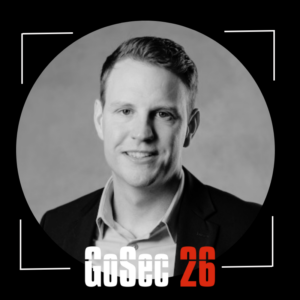
Alex Schärli
Alex Schärli, MBA brings a background in Fortune 500 SaaS, fraud prevention, and digital threat hunting as Co-Founder & Director of Fraud Intelligence at Securanoia™. As a Certified Fraud Examiner (CFE) with Security+, Advanced Digital Discovery… Lire la suiteRéduire
Alex Schärli, MBA brings a background in Fortune 500 SaaS, fraud prevention, and digital threat hunting as Co-Founder & Director of Fraud Intelligence at Securanoia™. As a Certified Fraud Examiner (CFE) with Security+, Advanced Digital Discovery (AD²) training, PAI+OSINT, and Google cybersecurity training; Alex has built a career anticipating risks before they strike — from uncovering corporate fraud to protecting vulnerable communities, especially veterans, and helping organizations strengthen their defenses with clarity and confidence. He is currently attending the University of West Florida (UWF) Center for Cybersecurity in the Cyber Defense Analyst track, funded by the DoW CIO Cyber Academic Engagement Office and the NSA National Centers of Academic Excellence in Cybersecurity. Alex is a former member of the Swiss Military and a current volunteer investigator at Cyber Atlas with the World Economic Forum.