
 34:56
34:56This recording is not available yet.
Driving AI Security in the Modern Networking Era
Download resourcesCategories
AI & Emerging TechnologyAI GovernanceAI SecurityGenerative AINetwork Security & Zero TrustZero Trust
Sponsored by
About this session
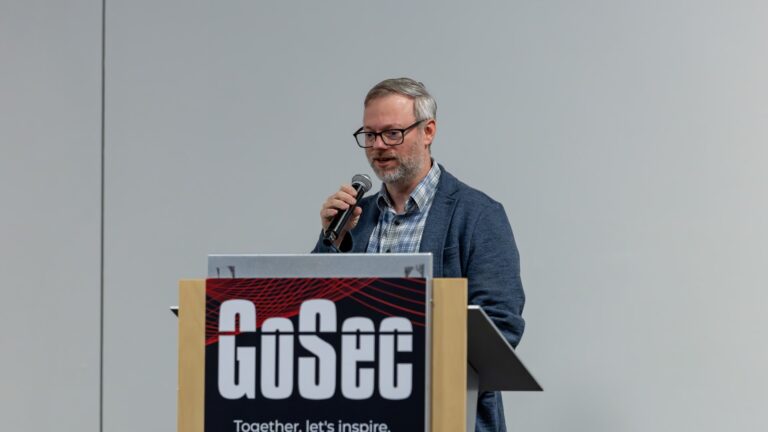
A speaker from Cato Networks, describing himself as the company's channel engineering manager, opens with a joke about people mishearing his name as "AI" before turning to how agentic AI is reshaping network security. He separates a model (text in, text out) from an agent, which adds memory, tool access and a feedback loop, and contrasts obvious threats like deepfakes with a subtler "invisible" risk: autonomous agents calling tools and reaching data with little oversight. He cites shrinking time between vulnerability disclosure and exploitation, roughly two years down to about eight hours, and real incidents where chatbots honored a fake refund or "sold" a vehicle for a dollar after a jailbreak prompt. He sorts agents into local, IT-managed, custom and personal categories by risk, and argues firewalls, DLP and CASB inspect files and traffic but not prompts, responses or tool calls. He then walks through Cato's platform for redacting sensitive data, blocking unsanctioned tools, and governing agent permissions in real time, closing with references from a payments company, an insurer and a workforce-cloud provider.
Artificial intelligence is transforming how organizations operate from employee productivity tools and AI-powered applications to autonomous agents that can make decisions and take action. While AI is accelerating innovation, it is also introducing new security risks that traditional security controls were never designed to address.Join Cato Networks for an executive discussion on how organizations can securely adopt AI while reducing risk and maintaining compliance.During this session, you'll learn:
Why traditional security tools fall short when protecting AI interactions.
How to identify and manage Shadow AI before it creates security and compliance risks.
Ways to prevent sensitive data exposure by inspecting prompts and responses in real time.
How to defend against AI-native threats, including prompt injection, jailbreaks, and malicious agent behavior.
Best practices for securing AI across users, applications, and autonomous agents using a unified security approach.
How AI-native detection and runtime protection enable organizations to govern AI usage without slowing innovation.
Strategies for simplifying AI governance and compliance while maintaining visibility across the enterprise.
Whether your organization is just beginning its AI journey or expanding AI initiatives across the business, this session will provide practical guidance for enabling secure AI adoption. You'll gain insight into today's evolving AI threat landscape, understand the security controls required to protect modern AI environments, and learn how a unified AI security platform can help reduce complexity, improve governance, and empower your business to innovate with confidence.
Key takeaways
- Inventory shadow AI use before writing policy: hard-blocking every tool pushes users to bypass controls instead of adopting sanctioned alternatives.
- Treat AI agents as non-human identities and apply least-privilege, zero-trust access to whatever data and tools they can reach.
- Inspect prompts, responses and tool calls in real time, since firewalls, DLP and CASB only see files, URLs and network traffic.
- Classify agents by origin (local, IT-managed, custom, personal) when scoping risk, since unsanctioned local agents carry the highest shadow-AI exposure.
- Redirect users to an approved tool instead of a blanket block so guardrails do not cost the productivity gains AI adoption is meant to deliver.
Speakers
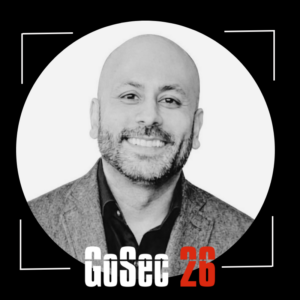
Al Pardhan
Al Pardhan is a seasoned Channel Sales Engineer with over 15 years of experience in cybersecurity, network architecture, and partner enablement across leading technology companies. Currently at Cato Networks, driving partner success and secure… Read moreRead less
Al Pardhan is a seasoned Channel Sales Engineer with over 15 years of experience in cybersecurity, network architecture, and partner enablement across leading technology companies. Currently at Cato Networks, driving partner success and secure network transformation initiatives since May 2023. Previously held a similar role at Netskope, supporting strategic channel relationships and cloud security adoption across Canada.
Before transitioning to the vendor landscape, spent over a decade at Cisco in various technical roles, including Cybersecurity Consulting Systems Engineer, where responsibilities included designing and supporting enterprise security solutions, and enabling customers through technical guidance and training.
Recognized for strong technical acumen, partner-focused approach, and the ability to bridge the gap between sales and engineering to deliver customer value and accelerate growth.